
Lorem ipsum dolor sit amet, consectetur adipis cing elit, sed do eiusmod tempor intr adipis cing elit,Lorem ipsum dolor sit amet, consectetur adipis cing elit, sed do eiusmod tempor intr adipis cing elit,Lorem ipsum dolor.

Lorem ipsum dolor sit amet, consectetur adipis cing elit, sed do eiusmod tempor intr adipis cing elit,Lorem ipsum dolor sit amet, consectetur adipis cing elit, sed do eiusmod tempor intr adipis cing elit,Lorem ipsum dolor.
Lorem ipsum dolor sit amet, consectetur adipis cing elit, sed do eiusmod tempor intr adipis cing elit,Lorem ipsum dolor sit amet, consectetur adipis cing elit, sed do eiusmod tempor intr adipis cing elit,Lorem ipsum dolor.
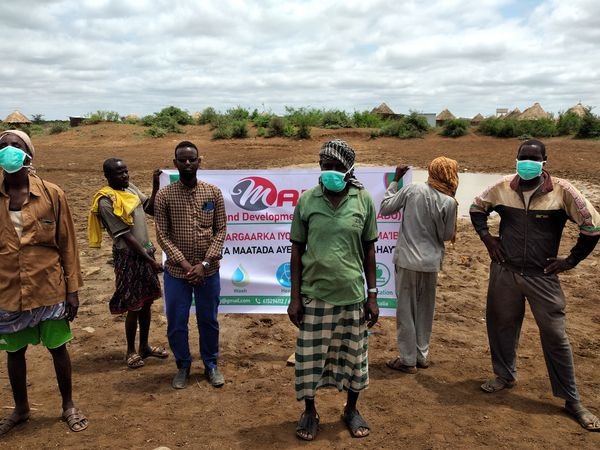
Community engagement is a fundamental approach in humanitarian and development work, ensuring that interventions are locally driven, sustainable, and effective. It involves actively involving community members in decision-making, project implementation, and evaluation. By fostering collaboration between organizations and local populations, community engagement strengthens trust, improves program outcomes, and enhances long-term resilience.
One key aspect of community engagement is participatory planning, where local leaders, elders, youth, and other stakeholders are involved in identifying challenges and co-developing solutions. This ensures that projects address real community needs and are more likely to be accepted and sustained over time. Engaging the community in planning also fosters a sense of ownership, increasing the success rate of interventions.
Capacity building is another essential component, focusing on equipping individuals with skills and knowledge to drive their own development. This includes training in leadership, conflict resolution, and sustainable practices, enabling communities to take charge of their own growth and development. Such efforts empower individuals to become agents of change within their communities.
Raising awareness and advocacy is also a crucial part of community engagement. Organizations conduct workshops and campaigns on topics such as human rights, climate adaptation, disaster preparedness, and public health. These initiatives help communities make informed decisions and actively participate in advocating for their rights and needs.
Furthermore, volunteerism and social mobilization play a vital role in ensuring community involvement. Encouraging local volunteers to take part in projects such as tree planting, clean water initiatives, and education programs strengthens community cohesion and promotes a culture of collective responsibility. Volunteers often act as bridges between organizations and the community, ensuring smooth program implementation.
Finally, feedback and accountability mechanisms are crucial for meaningful engagement. Organizations must create platforms for communities to provide input, voice concerns, and assess the effectiveness of interventions. This enhances transparency and ensures that programs are continuously improved based on community needs and experiences.
By prioritizing community engagement, humanitarian and development organizations can build trust, strengthen resilience, and ensure that their interventions create lasting positive change. Would you like this tailored specifically to MADO’s programs?
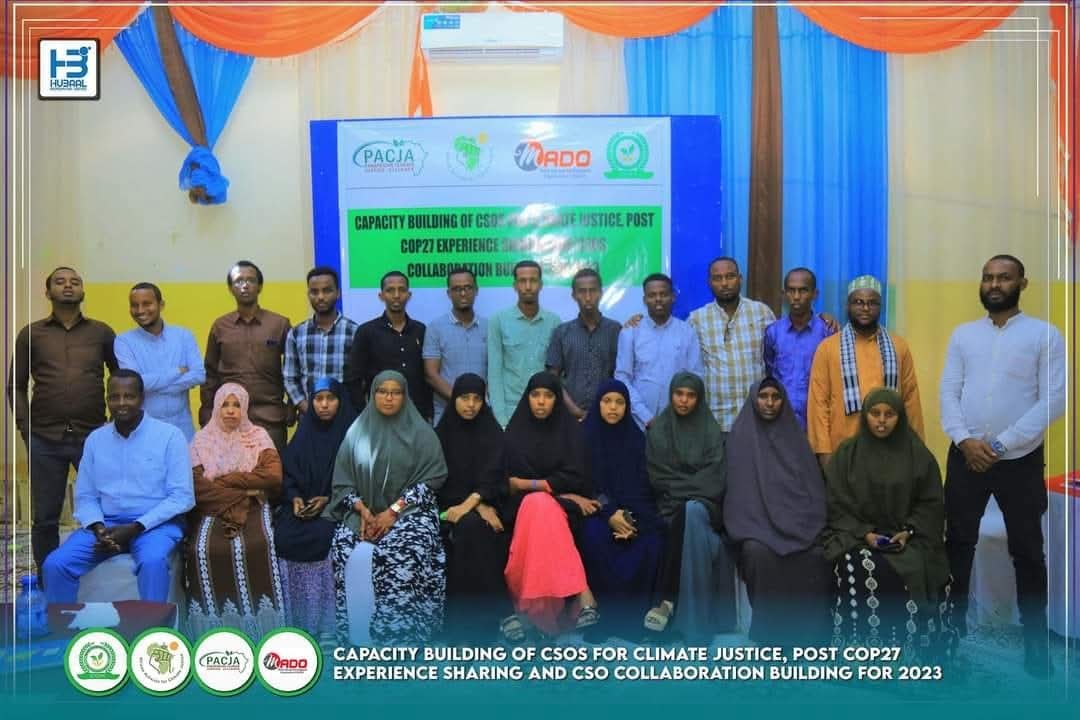
Capacity Building Workshop for CSOs on Climate Justice
In a significant collaboration, MADO and SOGPA jointly held a capacity-building workshop aimed at empowering Civil Society Organizations (CSOs) for enhanced advocacy on climate justice in the wake of COP27. This workshop served as a platform for knowledge exchange, skill development, and building collaborative networks among CSOs dedicated to environmental issues.
Key Objectives of the Workshop:
This workshop marks a crucial step in empowering CSOs to play a pivotal role in addressing climate justice issues and working together towards a sustainable future.
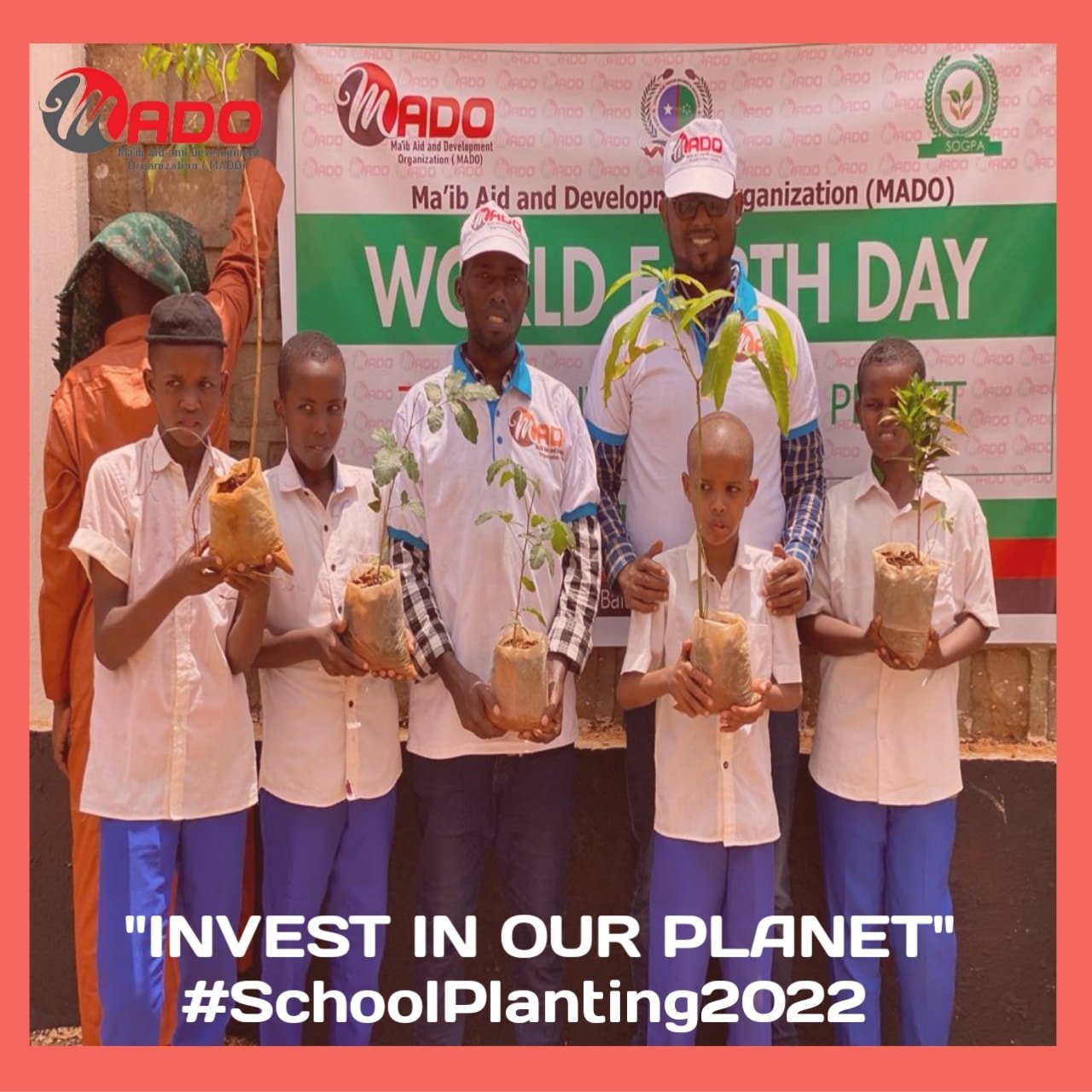
Community Tree Planting at Harith Ibnu Yacqub School
On 22 April,2022, students, teachers, and community members came together to celebrate World Environment Day through a meaningful tree planting ceremony at Harith Ibnu Yacqub School, located just outside of Baidoa. This event not only marked a commitment to environmental sustainability but also fostered unity and teamwork within our community.
As participants gathered, the excitement was palpable. Armed with shovels and saplings, students learned about the importance of trees in combating climate change and promoting biodiversity. Together, they planted 20 trees, each representing a step towards a greener, more sustainable future.
The ceremony included educational sessions where students engaged with local environmental experts, learning about the ecological benefits of trees and the role they play in creating a healthier planet.
This initiative signifies our dedication to sustainable practices, instilling in our youth the values of environmental stewardship and community involvement. Together, we are making a difference, one tree at a time!